Arabian Script: An Elegant Typeface for Modern Designers
In a world saturated with standard sans serif fonts and predictable layouts, finding a typeface that carries genuine personality is a challenge. You want something that feels sophisticated without being stuffy, and unique without sacrificing legibility. Enter Arabian Script. This is not just another generic script font; it is a carefully crafted semi-bold typeface designed to bring a distinct, textured elegance to your creative projects. Whether you are a brand strategist looking to elevate a client's identity or a crafter perfecting a wedding suite, understanding how to wield this specific style of typography can transform your work from amateur to professional.
The Anatomy of Elegance: Visual Characteristics
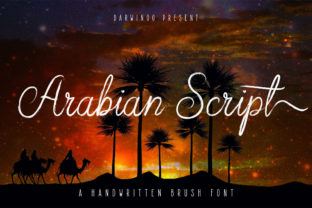
When you first look at Arabian Script, you notice the weight immediately. Unlike thin, spidery calligraphy fonts that can disappear on a busy background, this typeface has a semi-bold presence. It commands attention. The defining feature, however, is the "textured shape." In modern typography, we often see vector-perfect, sterile curves. Arabian Script breaks that mold. It mimics the organic feel of ink on paper, offering a tactile quality that digital fonts often lack.
This texture gives the font a sense of history and craftsmanship. It feels handmade, yet it maintains the consistency required for professional logo design and packaging design. The letterforms flow with a rhythmic grace typical of high-quality script fonts, but the semi-bold weight ensures it doesn't look fragile. It is a premium font that bridges the gap between traditional calligraphy and contemporary design needs. The visual personality is confident, romantic, and undeniably stylish, making it a versatile design asset for anyone aiming for a high-end aesthetic.
Strategic Applications: Where Arabian Script Shines
A beautiful font is useless if you don't know where to put it. As a designer or entrepreneur, context is everything. Arabian Script excels in specific environments where its unique characteristics can breathe.
Event Stationery and Wedding Invitations
This is the natural habitat for a font like Arabian Script. In editorial design for weddings, the font sets the mood before a single word is read. Its elegant curves are perfect for headers on invitations, save-the-dates, and envelope flaps. Because of the semi-bold weight, it reproduces beautifully on textured cardstock, a common material in luxury stationery where thinner fonts might break up.
Branding and Logo Design
For businesses aiming to project luxury, exclusivity, or creativity, this typeface is a strong contender. Imagine a boutique bakery, a high-end florist, or a jewelry brand using Arabian Script for their wordmark. It instantly communicates value. However, in brand identity, consistency is key. If you choose this for your logo, you must ensure it is legible at very small sizes, such as on a favicon or a stamp. Often, designers will pair the logo mark with a clean sans serif font for body text to create a balanced font pairing.
Digital Media and Social Graphics
In the fast-scrolling world of social media graphics, stop-power is essential. Using Arabian Script for Instagram headers or Pinterest quotes can halt the thumb. It works exceptionally well for "swipe" graphics or feature announcements. However, avoid using it for long captions or web design body copy. Script fonts are generally harder to read in long blocks on screens. Use it for impact, not for information density.
Product Packaging
In packaging design, the label is your silent salesperson. A textured, semi-bold script like Arabian Script can suggest that the product inside is artisanal or organic. It works well for product names on labels for candles, cosmetics, or gourmet foods. It adds a human touch to the commercial product, suggesting that real people were involved in the creation process.
Design Psychology: Perception and Engagement
Typography is psychology made visible. The fonts you choose influence how your audience perceives your brand before they even process the semantics of the words. Arabian Script triggers specific psychological responses that you can leverage strategically.
Trust and Sophistication
Script fonts often evoke a sense of intimacy because they resemble handwriting. However, because Arabian Script has a semi-bold weight, it avoids looking casual or messy. It projects authority and sophistication. When used in a proposal or a brochure, it suggests that the content is valuable and worth the reader's time. It helps in building a brand identity that feels established rather than temporary.
Visual Hierarchy
Good design relies on guiding the eye. You cannot use a display font for everything, or the viewer will be overwhelmed. Arabian Script is an excellent tool for creating the top tier of your visual hierarchy. Use it for the main headline or the hero text. Then, step down to a readable serif font or sans serif font for subtitles and body copy. This contrast creates a dynamic layout that is easy to navigate. The "texture" of the script adds visual interest at the top of the page, drawing the user in, while the clean fonts allow for comfortable reading below.
Emotional Connection
Marketing is about connection. A cold, geometric font can feel corporate and distant. Arabian Script feels personal. If you are a blogger or a content creator, using this font for your personal signature or your newsletter header can make your audience feel more connected to you as a person, not just a brand. It humanizes the digital experience.
Practical Implementation: Pairing and Readability
Adopting a new creative font requires more than just installation; it requires strategy. Here is how to implement Arabian Script effectively in your workflow.
The Art of the Font Pairing
Because Arabian Script is expressive and textured, it needs a partner that is quiet and structured. Do not pair it with another ornate script font or a decorative display font. That creates visual noise. Instead, look for a geometric sans serif font (like Montserrat or Lato) or a classic serif font (like Garamond). The clean lines of these fonts will act as a canvas, allowing the elegance of Arabian Script to stand out without competition.
Readability and Legibility
As with most script fonts, legibility drops significantly as size decreases. This is a crucial rule for web design and mobile interfaces. Never use Arabian Script for footer text, legal disclaimers, or long paragraphs. If the font size drops below 18px or 20px, the textured edges might muddy the letterforms. Reserve it for large headlines where the details of the semi-bold texture can be appreciated.
Color and Contrast
The textured shape of the font means it interacts with color differently than a flat vector font. High contrast works best. Use dark backgrounds with light text, or light backgrounds with dark text. Avoid placing the font over busy photographs unless you place a solid color block or a blur effect behind the text first. The "noise" of the texture combined with the "noise" of a photo can make the text illegible.
Technical Considerations for Professionals
Before you finalize a project using Arabian Script, there are a few technical boxes to tick to ensure a smooth production process.
Evaluating the Glyphs
A premium font usually comes with more than just the standard A-Z. Check the character map for stylistic alternates, ligatures, and swashes. These are the variations of letters that can make your typography look custom. For example, a capital "A" might have a version with a longer tail that connects better to the next letter. Using these alternates is what separates standard typing from professional typography.
Licensing and Usage
Always verify the license of your commercial font. If you are using Arabian Script for a client's logo, ensure your license covers commercial use and allows for the creation of products for sale (like T-shirts or mugs). Most standard licenses cover digital and print media, but "print-on-demand" often requires an extended license. As a designer or entrepreneur, protecting your business legally is just as important as the design itself.
File Formats and Software
Ensure the font file works with your specific software, whether it's Adobe Illustrator, Photoshop, Canva, or Procreate. While most design assets are compatible across platforms, testing the font in your specific environment ensures that the kerning (space between letters) renders correctly.
Conclusion
Arabian Script is more than just a collection of letters; it is a versatile design asset capable of elevating the perceived value of your work. Its semi-bold weight and textured shape offer a unique balance of visibility and elegance. By applying it strategically to headers, logos, and invitations—and pairing it with clean, modern typography—you can create designs that are not only beautiful but also effective. Whether you are building a brand identity from scratch or refreshing your social media graphics, this typeface provides the sophisticated touch that modern audiences appreciate.