Hiroshima Script: The Free-Flow Font for a Striking Look
You know the feeling. You're staring at a blank canvas, trying to find that one element that will inject personality and warmth into your design. It needs to feel personal, yet professional. Artistic, but still legible. This is often where a well-crafted script font becomes the hero of the project. Hiroshima Script is a casual, free-flow handwriting typeface built for this exact purpose. It doesn’t just sit on the page; it brings a human touch that can transform a static layout into a dynamic conversation. If you're looking to add a genuine, organic feel to your work, understanding how to wield a creative font like this is a valuable skill.
The Anatomy of a Casual Script
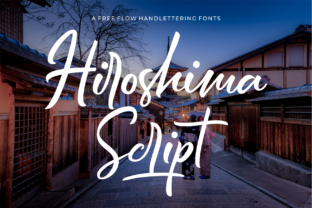
At its heart, Hiroshima Script is a premium font designed to mimic the natural, slightly hurried elegance of real handwriting. Its visual characteristics are what make it so versatile. The letterforms feature a noticeable bounce and irregular baseline, which immediately signals authenticity. You won’t find the rigid uniformity of a standard serif font or a clean sans serif font here. Instead, you get thick-to-thin stroke variations that feel like they were created with a felt-tip pen or brush, offering a textured, tactile quality even on a digital screen.
The overall appeal lies in its balance. It is expressive without being chaotic. Some script fonts are so ornate that they become illegible at smaller sizes, but Hiroshima Script maintains a modern typography sensibility. It’s a handwritten font that prioritizes clarity, making it an excellent choice for headlines and display text. Its personality is approachable and friendly, making it ideal for projects that need to connect with an audience on an emotional level rather than a purely corporate one.
Where Hiroshima Script Shines: From Branding to Digital Design
The true test of any display font is its application across different mediums. Hiroshima Script proves its worth as a versatile design asset in a variety of contexts, particularly where a human element is desired.
In logo design, it can be the cornerstone of a brand identity for small businesses, boutiques, cafés, or lifestyle brands. A bakery might use it for a wordmark that feels homemade and warm, while a wedding photographer could use it to evoke romance and elegance. When used in packaging design, it helps products stand out on crowded shelves by suggesting craftsmanship and care. A label for artisanal soap or a small-batch jam feels infinitely more personal when set in a script that looks like it was written by the maker.
For editorial design and publishing, think beyond the body text. Hiroshima Script is perfect for pull quotes, chapter titles in a lifestyle magazine, or the cover of a self-help book. It breaks the monotony of standard typesetting and draws the reader’s eye to key messages. In the digital realm, its utility extends to web design and social media graphics. A bold heading on a landing page can increase engagement, while a script font used in Instagram stories or Pinterest pins creates a relatable, influencer-style aesthetic. It’s a commercial font that adapts to the fast-paced needs of digital content creators and bloggers.
Mastering the Mix: Pairing and Practical Application
Using a script font effectively is often about what you pair it with. Because Hiroshima Script is so expressive, it generally works best as a headline or accent font. A common and effective strategy is font pairing with a clean, neutral sans serif font. The contrast between the organic, flowing script and the structured, geometric sans serif creates a beautiful visual hierarchy. The script draws attention, while the sans serif delivers the supporting information clearly.
For example, imagine a flyer for a yoga retreat. The title "Find Your Balance" could be set in Hiroshima Script to convey peace and mindfulness, while the details—dates, location, and pricing—are set in a light, open sans serif. This combination ensures the design feels inviting but remains easy to read. Avoid pairing it with another highly decorative font, as this will create visual clutter and confuse the viewer.
A Designer’s Checklist for Implementation
Before you commit to using Hiroshima Script, run through a few practical checks to ensure it’s the right fit for your specific project.
- Evaluate Readability: Test the font at the size you intend to use it. While it’s designed for legibility, all script fonts require a bit more breathing room. Increase the tracking (letter-spacing) slightly if the letters feel too crowded, especially in digital formats.
- Review Included Styles: Many premium fonts come with alternates, ligatures, or stylistic sets. Check the font file to see if Hiroshima Script offers different versions of certain letters. These variations allow you to customize the look and avoid repetitive character shapes, making the text look even more natural.
- Understand Licensing: If you are using this for a client project, merchandise, or a product for sale, verify the commercial license. Ensure the typeface license covers your intended use, whether it's for a single client, a series of social media posts, or print-on-demand products.
- Test Color and Contrast: Script fonts can lose their impact if the contrast is too low. Ensure there is sufficient contrast between the font color and the background. Dark text on a light background is usually the safest bet for maximum readability.
Ultimately, Hiroshima Script is more than just a collection of letters; it’s a tool for storytelling. By understanding its strengths and applying it thoughtfully, you can elevate your designs, strengthen your brand identity, and create work that truly resonates with your audience. It’s about finding that perfect, striking look that feels both intentional and effortlessly cool.