Muliana Script: A Guide to Modern Handmade Typography
Understanding the Visual Personality
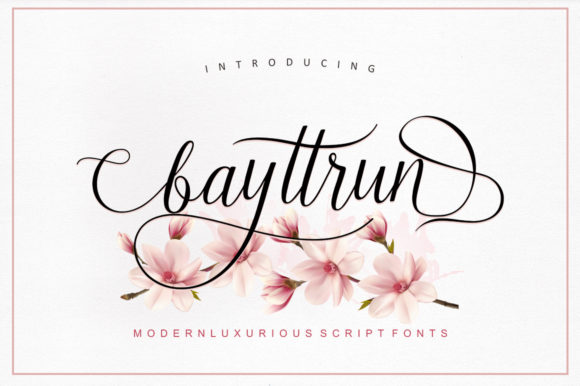
When you first encounter Muliana Script, you aren't just looking at a set of letters; you are seeing a specific mood captured in vector form. It is a fresh and modern script font, but it carries a distinct energy that sets it apart from the thousands of other handwritten fonts available to designers today. The defining characteristic here is the "dancing baseline." Unlike rigid, structured serif or sans-serif typefaces, Muliana Script moves. It mimics the natural, slightly imperfect flow of ink on paper, giving your text a human touch that static digital fonts often lack.
The visual style is rooted in calligraphy, but it avoids the stuffiness of traditional copperplate scripts. It feels contemporary. The decorative characters and swashes add a layer of elegance without becoming illegible. This balance is crucial for modern typography. You want a premium font that feels personal and crafted, yet still functions within a professional context. Muliana Script achieves this by maintaining consistent stroke weights while allowing the letterforms to dance slightly above and below the invisible line. This creates a rhythm that guides the reader’s eye forward, making it an excellent choice for display font applications where you need to make an immediate impression.
Real-World Applications and Brand Strategy
Choosing a typeface is a strategic decision, not just an aesthetic one. For entrepreneurs and small business owners, the font you select becomes a core component of your brand identity. Muliana Script excels in environments where warmth, approachability, and creativity are paramount. If your brand voice is friendly, artisanal, or boutique, this font communicates that instantly.
Consider logo design. A script font like Muliana works beautifully for the primary wordmark of a boutique clothing line, a specialty coffee shop, or a wedding planner. However, because of its decorative nature, it is best paired with something grounded. When using Muliana for your logo, ensure it is legible at small sizes. If your branding involves packaging design, this font shines on labels for candles, cosmetics, or gourmet foods. The handwritten aesthetic suggests that a human was involved in the creation of the product, which adds perceived value.
Beyond physical products, the digital landscape offers numerous opportunities. Content creators and bloggers can utilize Muliana Script to create cohesive social media graphics. It is particularly effective for quote cards on Instagram or Pinterest headers. The dancing baseline adds visual interest to static images, stopping the scroll. For publishers, this font is an asset for editorial design, specifically for pull quotes, chapter titles, or magazine covers where a touch of personality is required.
Practical Implementation: Pairing and Hierarchy
One of the most common mistakes in design is using a single font for everything. Muliana Script is a star player, but it needs a supporting cast. This is where font pairing comes into play. Because Muliana is a script font with high contrast and movement, it pairs best with simple, neutral companions.
For a balanced visual hierarchy, try pairing Muliana Script with a clean sans serif font for your body copy. Fonts like Montserrat, Lato, or Open Sans provide a calm, readable canvas that allows the script headers to pop. Alternatively, if you want a more classic, editorial feel, a sturdy serif font like Georgia or Times New Roman can ground the whimsical nature of the script. The key is contrast. Do not pair Muliana with another handwritten font or a highly decorative display face; the result will be visual chaos and poor readability.
When integrating this font into web design, pay attention to loading times and legibility on mobile devices. While Muliana is a creative font, long paragraphs set in script are difficult to read on screens. Use it strategically for H1 headers, hero text, or call-to-action buttons, but switch to a legible sans-serif for the main body text. This ensures your message is understood while maintaining the aesthetic appeal of your site.
Licensing and Technical Considerations
Before you commit to using Muliana Script for a commercial project, you must understand the technical assets included. A premium font usually comes with more than just the basic TTF file. Check if the font includes multiple weights (light, regular, bold) or stylistic alternates. These alternates allow you to change the look of specific letters, which is helpful if you have repeating characters in a logo that look too identical.
Furthermore, verify the commercial font licensing. If you are a freelance designer creating a logo for a client, you generally need a license that permits the font to be embedded in commercial products. If you are selling physical goods like printed posters or greeting cards, ensure the license covers "print on demand" or physical end-products. Reading the fine print protects your business and your clients. Treat your design assets with the same care you treat your business contracts.
Ultimately, Muliana Script is a versatile tool in the modern designer's kit. It bridges the gap between casual handwriting and professional modern typography. By understanding its strengths—its decorative flair and energetic baseline—and respecting its limitations regarding readability, you can use it to elevate your brand identity and connect with your audience on a more human level.