Wellington Script: A Modern Handwritten Font for Authentic Branding
Why Your Brand Needs a Handwritten Script with Personality
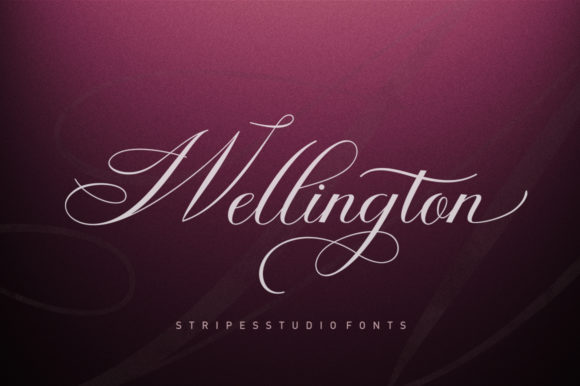
In a digital landscape saturated with clean, geometric sans serif fonts and rigid corporate typefaces, there's a growing hunger for authenticity. We see it in the resurgence of craft goods, the popularity of indie brands, and the demand for marketing that feels personal rather than polished. This is where a thoughtfully designed script font like Wellington Script enters the conversation. It’s not a casual, messy scrawl you’d find on a grocery list. Wellington is a modern handwritten script that balances organic, human warmth with a surprising level of clarity and structure. It offers the best of both worlds: the approachable charm of handwriting and the professional polish required for serious design work.
What makes it stand out in a crowded field of creative fonts? First, consider its visual personality. The letterforms have a natural, flowing rhythm, but they don’t sacrifice legibility for style. The connections between letters are intuitive, and the overall texture is smooth rather than scratchy. This makes it a versatile display font—ideal for headlines, logos, and callouts where you want to make an immediate emotional impact. It carries a confident, contemporary vibe that feels both friendly and intentional, avoiding the overly whimsical or nostalgic look that can date some script fonts.
Practical Applications: Where Wellington Script Truly Shines
Knowing a font looks nice is one thing; understanding where to deploy it effectively is another. Wellington Script is a premium font built for projects where brand perception and audience engagement are priorities. Let’s break down its real-world applications.
Branding and Logo Design: This is Wellington’s sweet spot. A well-crafted logo sets the tone for your entire brand identity. Wellington Script can give a small business, boutique studio, or personal brand an instant signature look. It works beautifully for bakeries, wedding planners, lifestyle coaches, artisan shops, and creative agencies. The key is its readability at various sizes; it holds up on a website header as well as on a business card. When used in a logo, it suggests a hands-on, personalized approach—a brand that values connection.
Packaging and Editorial Design: On product labels or packaging design, a handwritten touch can communicate quality and care. Imagine Wellington Script on a coffee bag label, a candle jar, or a boutique skincare box. It adds a layer of craftsmanship. Similarly, in editorial design for magazines, lookbooks, or blogs, it can be used for pull quotes, chapter titles, or feature headers to break the monotony of body text and guide the reader’s eye.
Digital Presence and Marketing: For web design and social media graphics, Wellington Script injects personality. Use it for Instagram story highlights, Pinterest pins, or Facebook ad headlines to stop the scroll. It’s particularly effective for calls-to-action (“Shop Now,” “Learn More”) or promotional announcements. In email marketing, a subject line or header set in a script font can increase open rates by feeling more personal and less automated.
Integrating Wellington Script into Your Design Workflow
Adopting a new typeface requires more than just liking how it looks. Here’s a practical guide to making Wellington Script work for you.
Evaluate Project Fit: Ask yourself: Does my project need a human touch? Wellington is excellent for conveying warmth, creativity, and individuality. It might not be the right choice for a legal document or a technical manual, but it’s perfect for a yoga studio’s website, a podcast cover, or a wedding invitation suite. Consider your audience. For a demographic that values authenticity and craftsmanship—like the readers of a food blog or customers of a handmade jewelry line—this font will resonate.
Master the Art of Font Pairing: A script font rarely works well alone for body copy. Its strength is in headlines and accents. Pair Wellington Script with a stable, neutral companion. A clean sans serif font like Montserrat or Open Sans creates a modern, balanced contrast. For a more classic or elegant feel, pair it with a serif font like Lora or Playfair Display. The rule of thumb is contrast in style, but harmony in mood. Wellington’s friendly curves pair well with both geometric and humanist sans serifs.
Test for Readability and Hierarchy: Always test your chosen font at the actual size it will be used. Wellington’s legibility is a strength, but complex scripts can become hard to read if used too small or in long, dense paragraphs. Use it for short bursts of text. Establish a clear visual hierarchy by using Wellington for your primary headline, a complementary sans serif for subheadings, and a highly readable serif or sans serif for body text. This creates a professional, structured layout that still feels inviting.
Review Styles and Licensing: Before purchasing any commercial font, check what’s included. A robust font family might offer multiple weights, stylistic alternates, or ligatures—features that give you more creative control. Also, scrutinize the licensing. Ensure the license covers all your intended uses, whether it’s for a single client project, multiple commercial products, or across digital and print platforms. A premium font like Wellington is an investment in your design assets, and proper licensing protects that investment.
Ultimately, Wellington Script is more than just another handwritten font. It’s a strategic tool for designers, entrepreneurs, and creators looking to build a memorable brand with a human-centered voice. By applying it thoughtfully—respecting its strengths in branding, pairing it wisely, and testing its applications—you can leverage its modern charm to create designs that don’t just look good, but feel genuinely connected to your audience. It’s a testament to how the right typography can elevate a project from simply informative to truly engaging.