San Script: Bringing Authentic Handwritten Charm to Your Brand
Capturing the Essence of Natural Handwriting
Finding a script font that doesn't look stiff or robotic can be a challenge for designers. We often spend hours scrolling through libraries looking for that specific texture that feels human. San Script stands out in this crowded space because it isn't just a set of letters; it is a carefully crafted handwritten font designed to mimic the flow of quick, dry strokes. It carries a distinct personality that feels personal, warm, and incredibly organic. If you are looking for a premium font that bridges the gap between casual note-taking and professional design, this typeface deserves a closer look.
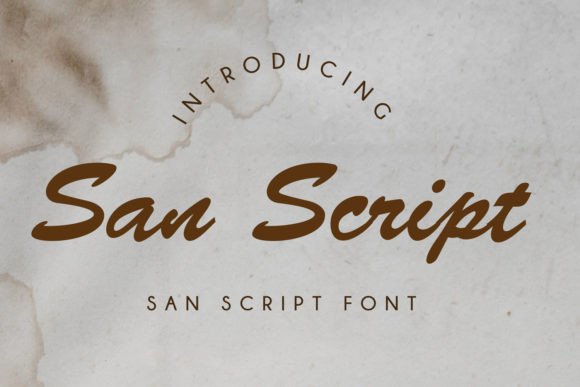
The visual characteristics of San Script are defined by its "quick dry" aesthetic. Unlike thick, glossy calligraphy fonts, this typeface has the texture of a pen running low on ink, creating a gritty, authentic look. It avoids the perfection of vector paths to embrace the slight imperfections of real life. This gives the typography a sense of movement and energy. It is a creative font that communicates effortlessness. When you use it, you aren't just displaying words; you are conveying a mood of authenticity. It feels like a note passed to a friend or a signature on a letter of intent, making it a powerful tool for anyone working in modern typography.
Practical Applications for Designers and Entrepreneurs
The versatility of a font like San Script is where the real value lies. It is not limited to one specific industry. Whether you are a small business owner creating merchandise or a publisher working on editorial design, the font adapts to the context. Its charm makes it particularly effective for projects that require a human touch. It moves away from the cold, corporate feel of standard sans serif font families and injects personality into the layout.
Here are some specific areas where this display font excels:
- Logo Design and Brand Identity: For brands that want to appear approachable and artisanal, San Script creates a memorable mark. It works exceptionally well for lifestyle brands, cafes, boutique clothing lines, and wellness coaches. It helps establish a brand identity that feels personal rather than faceless.
- Packaging Design: On physical products, texture matters. This font looks fantastic on labels for handmade soaps, gourmet foods, or craft beverages. The "dry stroke" style translates beautifully to print, giving packaging design an organic, high-quality feel.
- Social Media Graphics: In the fast-paced world of social media graphics, stopping the scroll is essential. The unique style of San Script draws the eye because it mimics the native writing styles often seen in personal stories. It is excellent for quotes, headers, and call-to-action overlays on Instagram or Pinterest.
- Web Design and Digital Use: While web design requires careful consideration of load times and readability, using this font for hero section headers or pull quotes can break the monotony of standard web fonts. It adds a layer of sophistication and warmth to digital layouts.
- Merchandise and Apparel: Tote bags, t-shirts, and mugs often rely on script fonts to convey a message quickly. The rugged style of San Script holds up well on fabric and hard goods, maintaining legibility while looking stylish.
Mastering Font Pairings and Visual Hierarchy
Using a script font effectively requires an understanding of contrast. You cannot set a full paragraph of body copy in San Script and expect it to be readable. As a display font, its job is to command attention in short bursts—headlines, titles, and logos. To create a balanced visual hierarchy, you must pair it with something more grounded.
A classic strategy is to pair this handwritten font with a clean, geometric sans serif font. The simplicity of the sans serif allows the complexity of the script to shine without competition. Alternatively, pairing it with a sturdy serif font can create a vintage or editorial look, perfect for magazine layouts or book covers. When testing font pairing, look at the x-height and the weight. You want the script to complement the secondary font, not clash with it. The goal is to guide the reader's eye from the expressive header to the informative body text seamlessly.
Technical Considerations and Commercial Licensing
Before integrating any new design assets into your workflow, practical evaluation is necessary. San Script comes with specific features that enhance usability. When you evaluate the font, check for the inclusion of stylistic alternates and ligatures. These features allow you to swap out specific letter combinations to avoid repetition, making the text look even more natural and less like a repeating digital pattern. This is a hallmark of a high-quality premium font.
Readability is another critical factor. Always test the font at the size you intend to use it. A style that looks legible at 72pt on a monitor might disappear at 12pt on a business card. For logo design, ensure that the letters connect properly or have enough spacing to remain distinct. Furthermore, always review the licensing terms. If you are a freelancer or a small business owner, you need to ensure the commercial font license covers your specific usage, whether that is for client work, print-on-demand merchandise, or digital products. Understanding the licensing protects you legally and ensures you can use the asset across all your marketing channels without interruption.
Final Thoughts on Creative Projects
Ultimately, choosing a typeface like San Script is about adding a layer of storytelling to your visuals. It is a tool for crafters, marketers, and content creators who want to move beyond generic templates. By utilizing its organic texture and pairing it thoughtfully with other typefaces, you can elevate your projects from standard to striking. It proves that modern typography doesn't always have to be clean and sharp—sometimes, the best design comes from the imperfect, authentic strokes of a hand.